
Chiropractic Care · October 7, 2026
If you’ve ever experienced the room spinning around you when you’re standing perfectly still, you already know how unsettling vertigo can be. It can stop you in your tracks, disrupt your workday, and make it difficult to care for your family. For many people in Delray Beach and throughout South Florida, vertigo isn’t just an occasional nuisance; it’s a recurring problem that interferes with daily life in a very real way. The good news? There are natural, conservative approaches that may help address the root cause of what’s making you dizzy, and chiropractic care is one of them.
What Is Vertigo?
Vertigo is not simply “feeling dizzy.” It is a specific sensation of spinning or movement — either feeling like you are moving when you’re not, or that the world around you is moving when it isn’t. Vertigo is a symptom, not a condition itself, meaning it is usually caused by an underlying issue affecting the inner ear, the brainstem, or the cervical spine (neck).
What Causes Vertigo?
Understanding what triggers vertigo is the first step toward finding real, lasting relief. Because vertigo is a symptom rather than a standalone diagnosis, pinpointing its root cause is absolutely essential, and that’s exactly the approach we take at Alter Chiropractic in Delray Beach, FL.
The most common cause of vertigo is a condition called Benign Paroxysmal Positional Vertigo, or BPPV. This occurs when tiny calcium crystals in the inner ear — called otoliths or “ear rocks” — become dislodged and move into the semicircular canals, where they interfere with normal balance signals sent to the brain. The result is an intense, brief spinning sensation that’s often triggered by changes in head position, like rolling over in bed or looking up suddenly.
Beyond BPPV, vertigo can also stem from inner ear infections, Meniere’s disease (a condition involving fluid pressure in the inner ear), vestibular neuritis, or problems with the cervical spine. This last category — cervicogenic vertigo, or dizziness that originates from the neck — is one that often goes underdiagnosed and is an area where chiropractic care can play a meaningful role.
Here in Delray Beach, Dr. Ryan Alter frequently sees patients who have been dealing with recurring dizziness for months or even years without anyone looking carefully at the alignment and function of their cervical spine. Once the root cause is properly identified, a clearer path toward relief becomes possible.
The Connection Between Your Neck and Vertigo
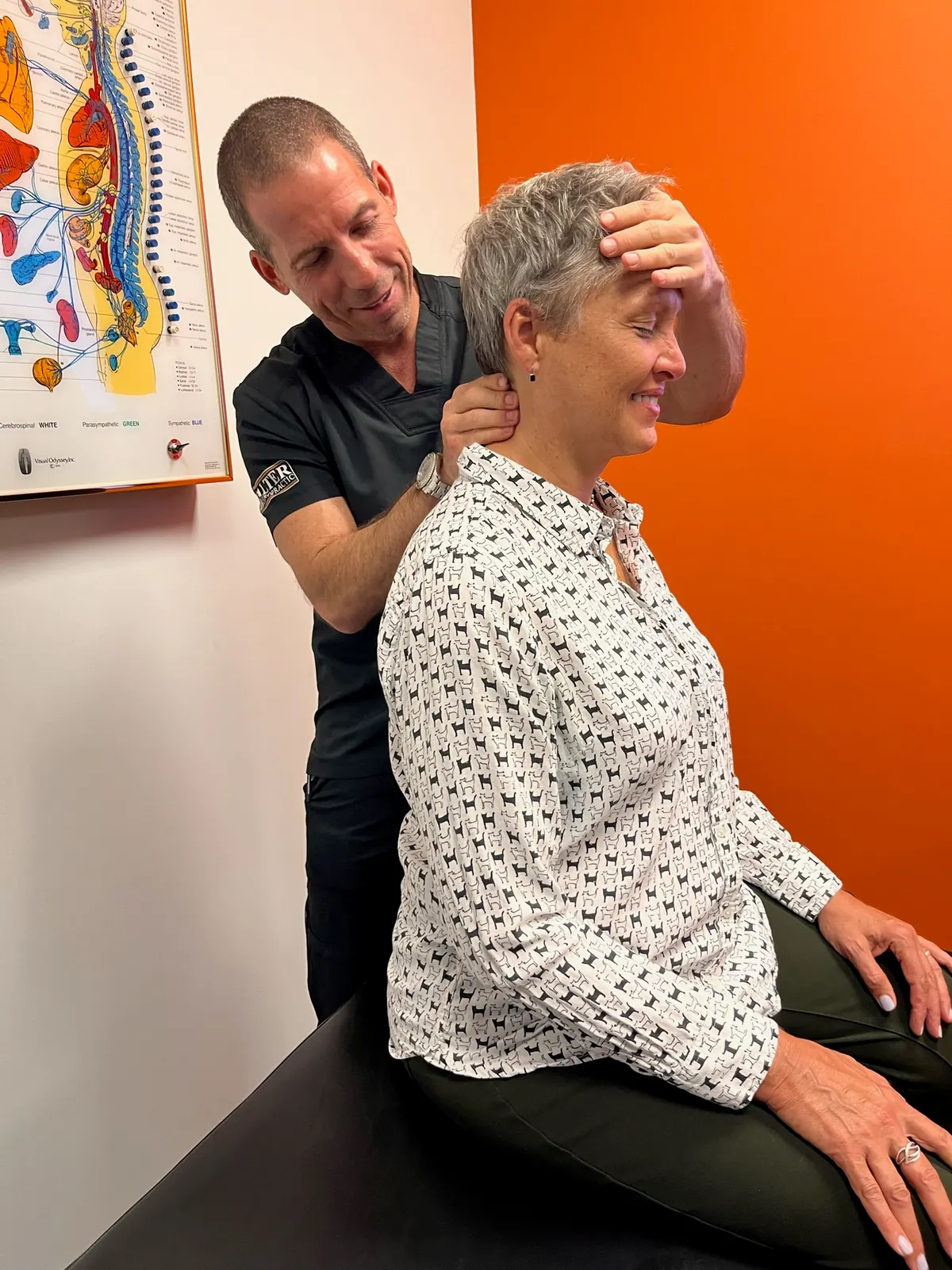
Most people don’t realize just how closely the neck and the balance system are connected. The upper cervical spine — especially the top two vertebrae, known as the atlas (C1) and the axis (C2) — sits in close proximity to the brainstem and houses a complex network of nerves and proprioceptors. Proprioceptors are specialized sensory receptors that help your brain understand where your body is in space.
When the joints of the cervical spine become restricted or misaligned, something chiropractors call a “subluxation,” these proprioceptive signals can be disrupted or distorted. When the brain receives confusing or mismatched signals about body position from the neck on one hand and the vestibular (inner ear) system on the other, the result can be dizziness, imbalance, or the spinning sensation we know as vertigo.
This type of vertigo is sometimes called cervicogenic dizziness, and it is often accompanied by neck stiffness, tightness in the upper shoulders, or a dull headache at the base of the skull. Many patients who come to see Dr. Ryan Alter at Alter Chiropractic in Delray Beach report that their dizziness seems to worsen after long periods of sitting at a desk, looking down at a phone, or sleeping in an awkward position — all scenarios that place stress on the cervical spine.
Addressing the mechanical dysfunction in the neck rather than simply masking the dizziness is what makes a root-cause chiropractic approach so different from just reaching for an over-the-counter remedy.
Common Types of Vertigo
Not all vertigo is the same, and recognizing the type can make a significant difference in how it’s best addressed. The two broad categories are peripheral vertigo and central vertigo.
Peripheral vertigo originates from the inner ear or the vestibular nerve. BPPV is the most common form and is generally benign, meaning it is not a sign of a serious disease. Vestibular neuritis and labyrinthitis (inflammation of the inner ear) also fall into this category and are typically caused by viral infections. Meniere’s disease, characterized by episodes of intense spinning combined with ringing in the ears and hearing fluctuations, is another peripheral cause.
Central vertigo, while less common, originates from problems within the brain or brainstem, such as a stroke, multiple sclerosis, or a tumor. These causes are more serious and require prompt medical evaluation. This is why it is important to have a qualified healthcare provider assess your vertigo rather than assuming it is harmless.
Cervicogenic dizziness is sometimes considered its own category, distinct from both peripheral and central vertigo, because it arises from dysfunction in the neck itself. This is a space where chiropractic evaluation shines. Dr. Ryan Alter is trained to assess spinal alignment and cervical function, helping to determine whether neck mechanics may be contributing to a patient’s dizziness and whether conservative chiropractic care is an appropriate path forward.
How Chiropractic Care May Help with Vertigo
Chiropractic care takes a natural, non-invasive approach to evaluating and addressing the structural and neurological factors that may be contributing to vertigo. Rather than relying on medications that suppress symptoms, chiropractic care aims to restore proper function to the spine and nervous system, allowing your body’s own healing intelligence to do what it does best.
For patients with BPPV, chiropractors trained in vestibular rehabilitation may use a technique called the Epley Maneuver. This is a series of specific head movements designed to reposition the displaced calcium crystals in the inner ear back to where they belong. Research published in the medical literature has shown this repositioning maneuver to be highly effective for BPPV, and many chiropractors incorporate it as part of a comprehensive care plan.
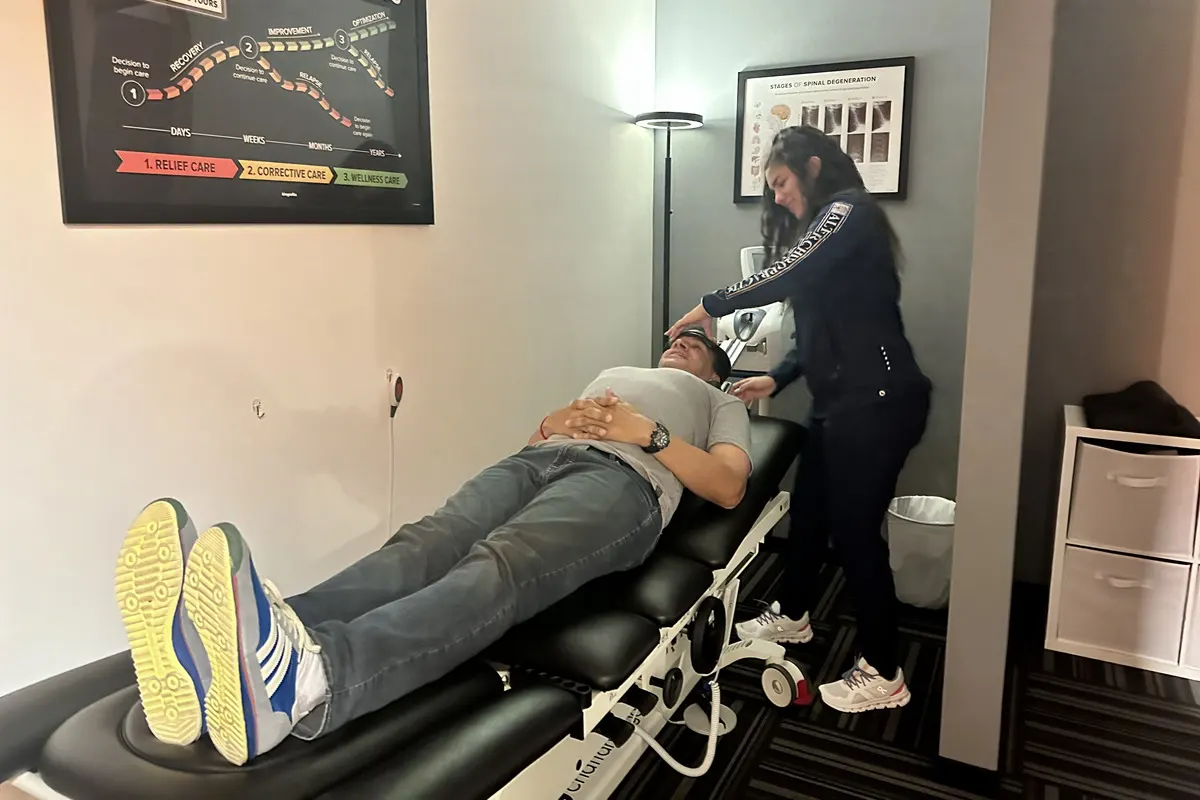
For patients with cervicogenic dizziness, chiropractic adjustments to the upper cervical spine can help restore proper joint motion and reduce nerve interference. When the atlas and axis vertebrae are moving the way they should, the proprioceptive signals from the neck become more accurate, which can help reduce or eliminate the confusing sensory mismatch that triggers dizziness. Evidence published in peer-reviewed journals, including findings referenced by the NCCIH (National Center for Complementary and Integrative Health), suggests that spinal manipulation may be beneficial for certain types of neck-related dizziness and balance disturbances.
At Alter Chiropractic in Delray Beach, Dr. Ryan Alter takes time to conduct a thorough assessment before recommending any course of care. The goal is always to understand what’s truly driving the problem, not just to provide temporary relief. That’s what has made Alter Chiropractic a trusted name for South Florida families over nearly two decades.
|
Type of Vertigo |
Common Cause |
Chiropractic Role |
Other Considerations |
|---|---|---|---|
|
BPPV |
Displaced inner ear crystals |
Epley Maneuver / repositioning techniques |
Highly responsive to conservative care |
|
Cervicogenic Dizziness |
Cervical spine dysfunction / subluxation |
Spinal adjustments, cervical mobilization |
Often overlooked; responds well to chiropractic |
|
Vestibular Neuritis |
Inner ear nerve inflammation (viral) |
Supportive care; vestibular rehab exercises |
Usually resolves with time; may benefit from adjunct care |
|
Meniere’s Disease |
Inner ear fluid pressure imbalance |
Limited direct role; may help reduce neck tension |
Requires medical co-management |
|
Central Vertigo |
Brainstem or brain dysfunction |
Not appropriate for chiropractic as primary care |
Requires immediate medical evaluation |
Practical Tips for Managing Vertigo at Home
While professional evaluation is always the most important first step, there are several practical strategies that may help reduce the frequency or intensity of vertigo episodes between visits. These are general wellness recommendations, not substitutes for a proper diagnosis or care plan.
One of the most impactful things you can do is pay attention to your posture, especially if you work at a desk or spend long hours looking down at a screen. Forward head posture places enormous stress on the upper cervical spine and can contribute to the kind of joint dysfunction associated with cervicogenic dizziness. Making a conscious effort to keep your ears aligned over your shoulders — not jutting forward — can reduce that chronic strain over time.
Stay well hydrated. Dehydration can affect inner ear fluid levels and contribute to dizziness. This is especially relevant here in South Florida, where the heat and humidity can accelerate fluid loss without you even realizing it. Aim for consistent water intake throughout the day.
Move slowly and deliberately when changing positions, especially first thing in the morning. Rapid head movements are a common trigger for BPPV episodes. Give your balance system a moment to adjust when transitioning from lying down to sitting, or from sitting to standing.
Finally, be mindful of how you sleep. Sleeping on your back with a supportive pillow that maintains proper cervical curve may help reduce morning stiffness and the neck tension that can aggravate dizziness. Dr. Ryan Alter can offer personalized recommendations on pillow support and sleep positioning during your visit to Alter Chiropractic.
When to See a Chiropractor for Vertigo
If you experience occasional, brief episodes of spinning triggered by head movement, and you don’t have other neurological symptoms, chiropractic evaluation is a reasonable and appropriate next step. BPPV and cervicogenic dizziness, in particular, are well within the scope of what a skilled chiropractor can assess and address.
It’s also worth seeking chiropractic evaluation if your vertigo is accompanied by chronic neck pain, stiffness, or tension headaches, as this pattern suggests the cervical spine may be playing a role. Many patients at Alter Chiropractic in Delray Beach find that addressing their neck issues leads to noticeable improvement in their balance and dizziness as a natural side effect.
However, there are warning signs that require immediate medical attention rather than chiropractic care as a first step. Seek emergency evaluation if your vertigo is sudden and severe, or if it is accompanied by any of the following: difficulty speaking, double vision, weakness or numbness on one side of the body, loss of coordination, or severe headache that came on abruptly. These may be signs of a central neurological event like a stroke and need to be ruled out urgently. A responsible chiropractor like Dr. Ryan Alter will always refer patients to the appropriate medical provider when those red flags are present.
Myths vs. Facts About Vertigo and Chiropractic
Myth: Vertigo is just being clumsy or anxious.
Fact: Vertigo is a legitimate physiological symptom with identifiable mechanical or vestibular causes. It is not a personality trait or a sign of weakness. Dismissing vertigo as “just anxiety” delays proper assessment and effective care.
Myth: Chiropractic care is dangerous for vertigo patients.
Fact: When performed by a trained and licensed chiropractor who conducts a proper evaluation first, chiropractic care — including upper cervical adjustments and repositioning maneuvers — is considered a safe, non-invasive approach for appropriate candidates. A thorough assessment is essential to determine who will benefit.
Myth: Vertigo always comes from the inner ear, so chiropractic can’t help.
Fact: While many cases of vertigo do involve the inner ear, cervicogenic dizziness — originating from the neck — is a well-recognized and distinct condition. Chiropractic care addressing cervical spine dysfunction can make a real difference for this population.
Myth: You just have to live with vertigo.
Fact: Many people with recurring vertigo, especially BPPV and cervicogenic dizziness, respond very well to conservative care. The idea that nothing can be done often comes from not having found the right root-cause approach yet. There is hope — and there are real options.
Myth: Chiropractic care for vertigo is not evidence-based.
Fact: The Epley Maneuver for BPPV has a strong evidence base and is recognized by mainstream medical guidelines. There is also a growing body of evidence, including research referenced by the NCCIH, supporting spinal manipulation for neck-related dizziness. As with all areas of healthcare, evidence continues to evolve and refine our understanding.
Final Thoughts from Alter Chiropractic
Vertigo can be frightening and exhausting, especially when you’ve been dealing with it for a long time without clear answers. Here at Alter Chiropractic in Delray Beach, FL, we understand how disruptive dizziness can be not just physically, but emotionally. It affects your confidence, your productivity, and your ability to be fully present with the people you love.
Dr. Ryan Alter and the team at Alter Chiropractic are committed to doing what we’ve done for South Florida families for nearly two decades: looking deeper, asking better questions, and finding the root cause rather than just managing symptoms. If you’ve been living with recurring vertigo, dizziness, or balance issues and haven’t yet explored what your cervical spine might have to do with it, we’d love to be part of your journey back to feeling vibrant, grounded, and free.
You don’t have to keep spinning your wheels on temporary fixes. Real answers — and real relief — are possible. Break free from the cycle and take that first step toward understanding what’s truly going on in your body. We’re here for you.
Frequently Asked Questions
Can a chiropractor actually treat vertigo?
Chiropractors can assess and address certain types of vertigo, particularly BPPV and cervicogenic dizziness. Techniques like the Epley Maneuver and upper cervical adjustments have been shown to help many patients. A thorough evaluation is always performed first to ensure chiropractic care is appropriate for your specific situation.
How many chiropractic visits does it take to improve vertigo?
The number of visits varies depending on the cause and severity of the vertigo. Some patients with BPPV experience significant relief in just one to three sessions following a repositioning maneuver. Cervicogenic dizziness may require more consistent care as the underlying spinal dysfunction is addressed over time.
Is it safe to get a chiropractic adjustment if I have vertigo?
For most patients with BPPV or cervicogenic dizziness, chiropractic care is considered safe when performed by a qualified chiropractor following a proper evaluation. Dr. Ryan Alter assesses each patient individually to determine the most appropriate and safe approach to care before any treatment is provided.
What does a chiropractor do differently for vertigo compared to a regular doctor visit?
A chiropractor focuses on the structural and neurological relationship between the spine, particularly the neck, and the balance system. Rather than prescribing medication to suppress dizziness, chiropractic care uses hands-on techniques to restore normal joint function and reduce nerve interference that may be contributing to the problem.
Can poor posture cause vertigo?
Poor posture, especially forward head posture from prolonged screen use, can contribute to cervical spine dysfunction that may trigger or worsen dizziness. While posture alone may not always be the sole cause, addressing it is often an important part of a comprehensive care plan for patients with neck-related dizziness.
What is the Epley Maneuver and can a chiropractor perform it?
The Epley Maneuver is a series of guided head movements used to reposition displaced calcium crystals in the inner ear that cause BPPV. Yes, many chiropractors are trained to perform this technique as part of their care for vestibular conditions. It is non-invasive, generally well-tolerated, and supported by strong clinical evidence.
TL;DR Summary
-
Vertigo is a spinning sensation caused by inner ear dysfunction, central nervous system issues, or cervical spine problems. It is a symptom with an underlying root cause, not a condition on its own.
-
Cervicogenic dizziness, caused by dysfunction in the neck, is a frequently overlooked type of vertigo that chiropractic care is well-suited to address.
-
Chiropractic techniques like the Epley Maneuver and upper cervical adjustments have evidence supporting their use for BPPV and neck-related dizziness.
-
Red flags like sudden severe vertigo with neurological symptoms require immediate medical evaluation. A responsible chiropractor will always refer appropriately.
-
At Alter Chiropractic in Delray Beach, FL, Dr. Ryan Alter takes a root-cause approach to vertigo, helping South Florida patients find natural, lasting relief rather than just managing symptoms.